

Sustainability, premiumization, digitalization, and collaboration across the supply chain. These are the key concepts, on a European scale, defining the modern label. Beyond just providing information, they encompass brand storytelling, sensory experience, a technological tool, and a strategic lever. We discussed the latest developments with Claudia Josephs, General Manager of EPDA – the European Brand & Packaging Design Association.
In the world of labels, design often serves as the focal point where many transformations impacting the entire packaging sector intersect and become noticeable: new materials, printing technologies, regulatory requirements, brand strategies, and consumer expectations. Therefore, in aiming to understand the sector’s direction, we have gathered insights from EPDA – the European Brand & Packaging Design Association, an international network of brand and packaging design agencies which, founded in the 1990s to create opportunities for designers to share knowledge and ideas, works daily with brand owners and production chains across various markets. Although designers are a key element within a complex value chain, EPDA has also established strong relationships with other stakeholders in the packaging industry, particularly within the materials sector. Alongside its partners, it develops projects of mutual interest and collaborates on innovative initiatives aimed at brand owners.

From their perspective, a richly nuanced picture emerges, where sustainability, digitalization, and expressive research are redefining the languages and functions of the label. For this conversation, Claudia Josephs was joined by several EPDA members and industry partners: Kheireddine Sidhoum, Global Co-CEO & Global CCO of Dragon Rouge; Beatriz Suárez-López, Founder & Strategy Director of MABA; Hernán Braberman, Co-founder & Creative Director at Tridimage; Stefano Pistoni, Senior Manager of Business Growth, Wine & Spirits at UPM; and Christophe Dujardin, Global Business Development Manager for Cold Foils/Sustainability at KURZ.
Emerging trends
In recent years, digitalization has profoundly impacted packaging design and production. Digital printing is now commonly utilized and offers excellent opportunities for mass customization and personalization. Meanwhile, the latest generation of QR codes is integrating online and offline branding, creating new touchpoints for consumer engagement and broadening the tools available to designers. Digitalization has also accelerated sustainability initiatives throughout the entire value chain.
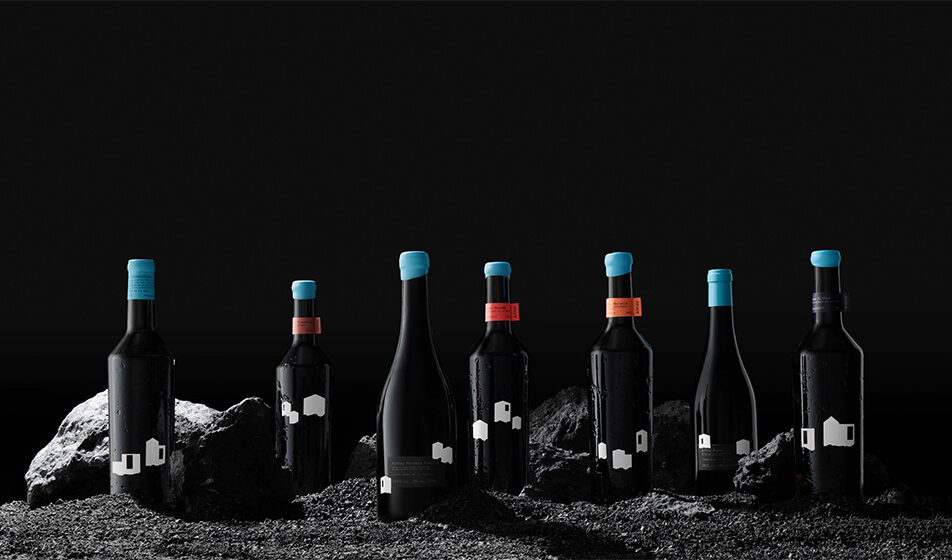
The choice of materials is becoming a vital part of brand storytelling, says Sidhoum: “The choice of substrate – compostable, embossed, uncoated – has become an integral component of brand storytelling. Strong typography, clarity and a conscious simplicity are replacing visual overload.” In premium segments, such as the wine sector, the language of design is also evolving. According to Suárez-López, the market is shifting towards more authentic and deeply rooted expressions: “Consumers who, ten years ago, were drawn to the category by highly narrative aesthetics, now view it with greater maturity. They seek expressions that are high-quality, organic and historically grounded, but not nostalgic or outdated. A sort of ‘mini-maximalism’ is emerging: a contemporary reinterpretation of traditional codes, without losing the link to their origins.” Regarding regional differences, Suárez-López believes that southern Europe continues to prioritize emotion and storytelling, whilst northern Europe adopts a more radical minimalism and sustainability integrated into the very structure of the packaging. “The cultural context continues to influence aesthetic and strategic choices.”
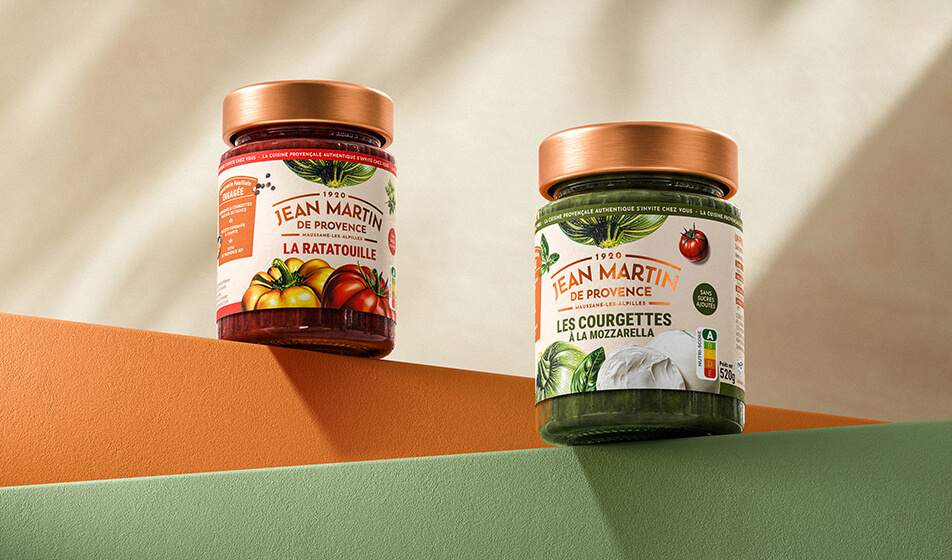
“In recent years, we have seen steady growth in self-adhesive labels, primarily driven by sustainability requirements and ongoing innovation in packaging: increased use of paper with recycled content, reduction in face stock thicknesses, and in some cases, a shift from paper to plastic where this enhances recyclability or functionality,” says Pistoni. “At the same time, rising expectations around personalisation and premiumization are raising the visual and tactile quality of labels. Although the rate of adoption varies from region to region depending on regulations and market maturity, the overall trend remains consistent globally.” Meanwhile, Dujardin also notes a shift in label designs: “The traditional label shape is outdated. Shapes have become more intricate and are moving away from conventional round, square, or rectangular formats. Sometimes they include layers or elements to lift or peel off. They are like small pieces of art created to attract consumers and engage with them.”
The sectors innovating the most
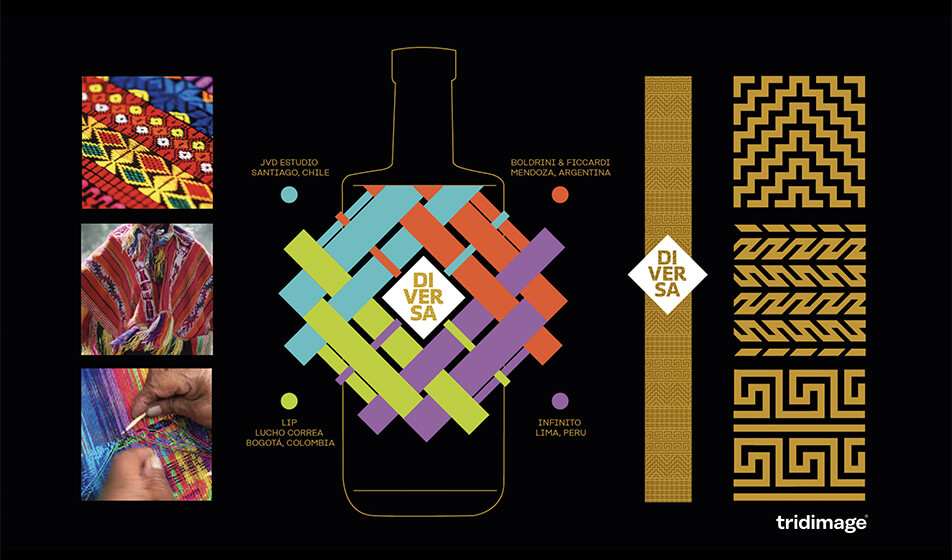
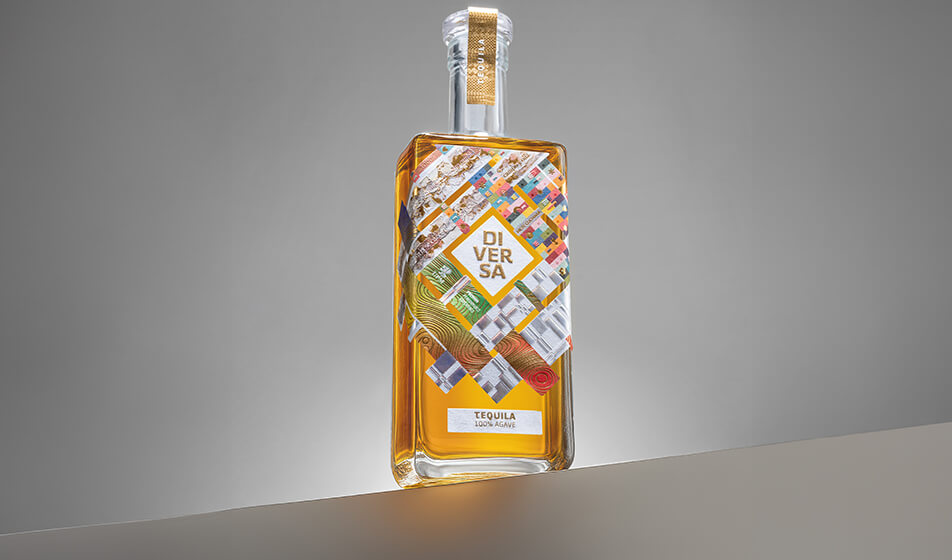
The luxury and premium segments continue to drive innovation: from ultra-premium spirits to speciality coffee, through to high-end cosmetics. “These categories allow brands to go beyond functional packaging and treat the label as a sensory experience: something that can be touched, discovered and even unlocked digitally,” explains Braberman. “The main driver is perceived value. In these segments, consumers are willing to pay more when the physical object tells an engaging story. Premium finishing techniques – direct screen printing on glass, hot foil stamping, micro-embossing, cotton fibre substrates – thrive precisely because a sophisticated audience increasingly seeks experiences, not just products. The label becomes the first touchpoint of that experience.”
The luxury and premium sectors are especially innovative due to their investment capacity and a strong culture of creativity. They introduce disruptive ideas that often later spread to mass markets, from advanced finishes to brand protection and interactive solutions. However, innovation can also serve as a strategic tool: “In these categories, the label is not merely informative: it is a value-building device. It justifies the price, communicates differentiation and builds credibility for the brand. Where competition is fierce and margins allow, experimentation becomes part of the strategy, not an afterthought,” says Suárez-López.
The factors reshaping the market
Premiumization is undoubtedly one of the main drivers. It is also increasingly affecting private-label products, where retailers aim for more refined visual and tactile qualities. A key factor in this shift, however, is the rise of e-commerce, which has dramatically changed the importance of packaging and branding.
“The persuasive function that once mainly operated on the physical shelf is now evolving into a more continuous and layered dialogue within digital environments. A label must perform equally well at 30 centimetres and 30 pixels,” says Suárez-López. Designers must therefore think in both online and offline terms simultaneously. “We are witnessing a shift from the consumption of goods to that of experiences. Packaging must offer more than just shelf appeal. Brands that grasp this are investing in design as a strategic asset, not merely as a cosmetic element,” adds Braberman.
“Strong brands treat constraints as creative drivers,” says Sidhoum. And there are many constraints today. “Cost efficiency is key, combined with regulatory sustainability targets such as the PPWR,” explains Dujardin. Regulatory developments, particularly the PPWR and the Design for Recycling guidelines, are pushing brands to rethink packaging structures.
Another significant factor is the increasing importance of brand purpose. According to Braberman, consumers—especially younger generations—are progressively choosing brands that align with their values. “They aren’t just buying a product: they are selecting a set of values. Design is increasingly a vehicle for social impact, and we see brands using labels to communicate their commitment to sustainability.” A positive and essential approach to staying competitive is to focus on collaboration throughout the supply chain.
Materials and sustainability
Sustainability considerations are increasingly shaping the role of the designer. “Up to 80% of a packaging’s environmental impact is determined at the design stage,” says Pistoni. “Consequently, designers must adopt a holistic approach, balancing visual impact, functional performance, recyclability, and regulatory compliance. Innovation in materials, simplification of structures, and close collaboration throughout the supply chain are becoming essential elements.” Dujardin says: “The aim is to meet sustainability targets without losing shelf appeal.” Reducing label thickness and improving recyclability are becoming priorities for major brands responding to regulations such as the PPWR. For Sidhoum, the solution starts with the choice of materials: recyclable or compostable substrates, single-material structures, and reduced complexity. “Today, designers must have expertise in materials, not just visual sensitivity.” Ultimately, sustainability must not be perceived as a loss in sensory terms. “The real challenge is to create impact through the concept, typography, and the honesty of the material, not through excess,” adds Suárez-López.
Technologies that open up new avenues
Emerging technologies are creating new opportunities for both design and manufacturing. Sidhoum highlights some of the most interesting trends, such as lighter finishing techniques that can achieve a high-end look while lowering environmental impact, as well as improved compatibility of single-material systems. Smart labels using QR codes and NFC are also connecting the physical and digital worlds. However, technology must always support a clear narrative. “It’s not about adding technology for its own sake, but using it with a coherent purpose. In an increasingly saturated and digitalized world, brands that build authentic and meaningful narratives – strategically supported by technology – will be able to forge lasting relationships with consumers,” says Suárez-López.
Digital printing also opens new opportunities for smaller brands by enabling short runs and greater flexibility. According to Suárez-López, it democratizes access to advanced solutions and enables brands to test concepts and improve their storytelling. When combined with artificial intelligence, digital printing facilitates large-scale personalisation. “We are working with QR codes and NFC tags that turn labels into portals: augmented reality experiences, traceability stories, community content,” says Braberman. He cites the Akamasoa x Las Quinas project as an example, in which connected packaging allows consumers to scan a jar of jam to learn about the community that produced it. Pistoni anticipates that sustainable labelling systems—especially those supporting the reuse of glass containers and the recycling of PET—will become more common as regulations like the PPWR promote greater harmonization. This comparison underscores a key point: collaboration is essential. The earlier design expertise is incorporated into both brand development and packaging production, the better the final outcome will be. It is precisely this collaborative approach that EPDA advocates: bringing together the various players in the supply chain to create mutual value and growth.