

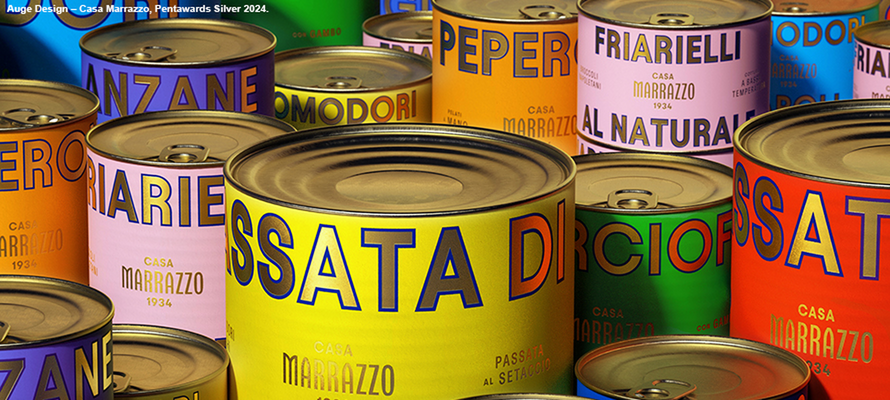
It’s a relatively small packaging component, but its communicative impact is extraordinary.
Get the right label
It’s a relatively small packaging component, but its communicative impact is extraordinary. It’s the main vehicle for mandatory information for a product’s marketing, but it’s also the marketing tool par excellence.
By Michela Pibiri and Caterina Pucci | On PRINTlovers 105
It is precisely here, on the label, that designers, suppliers and printers open the field to continuous experimentation to attract the public’s attention and enhance the brand’s identity. However, labels are also essential in strictly regulated sectors such as pharmaceuticals and logistics, where they are used to identify and trace goods. Beyond packaging, the world of labels encompasses multiple applications, demonstrating a versatility that makes it a sector in continuous ferment. The search for more sustainable solutions strongly drives innovation, and this means adopting a systemic approach that considers the entire product life cycle and involves the whole sector, from material producers to brand owners. In this article, we will discuss the latest trends and a selection of outstanding projects in the main application sectors of labels.
Wine & Spirits
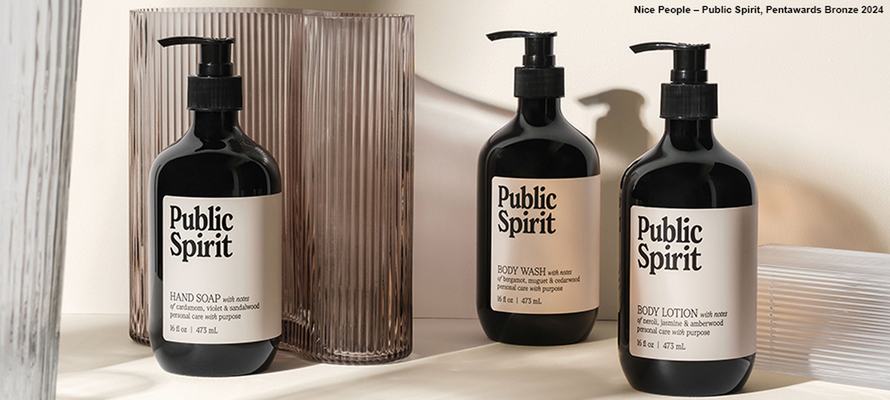
We know that wine & spirits are the most fertile ground for label research. In this area, it is easier to identify and monitor trends in design, printing and finishing, which are constantly changing, like fashion collections. International packaging design competitions are ideal viewing points for understanding the direction the segment is going in – for example, among others, the Vinitaly Design Award, specifically dedicated to the world of wine, spirits, beer and oil, and the Pentawards, which dedicate ample space to beverages among their categories. While in the spirits sector, it is easier to find solutions that go beyond the norm in terms of bottle shape and closures, in the world of wine, which is historically more traditional and tied to established styles, the game is still largely played out on the label, often with the need to combine communicative power and economic sustainability.
Low alcohol, lots of character
One of the fastest-growing trends in recent years is related to the proliferation of alcohol-free or low-alcohol products. On the one hand, habits are changing: even those who appreciate alcoholic beverages may look for alternatives in situations where it is necessary to maintain clarity or reduce consumption after festive excesses. On the other hand, a generational evolution is taking place: Gen Z consumes, on average, 20% less alcohol than Millennials – Berenberg Research data – who, in turn, drink less than previous generations. In addition, mixology and high-end catering are responding to an audience that chooses not to drink for cultural, health or contextual reasons without sacrificing taste. The market is booming, and even Italy, which compared to Northern European countries and the USA, had shown a less enthusiastic approach to the idea of lowering alcohol content, has for some years now started to present decidedly interesting quality products. Product innovation, whether a non-alcoholic spirit or a low-alcoholic wine, is followed by packaging innovation, which considers the target audience. On the one hand, there is the need to position oneself in the world of Wine & Spirits with authority and recognisability so as not to be confused with soft drinks and, therefore, to keep the stylistic elements of the category intact so as not to infantilise one’s audience. On the other hand, there is the freedom to experiment and blaze a trail: a new product should always build an entire communication ecosystem around it.
Beyond the label, but also beyond the bottle
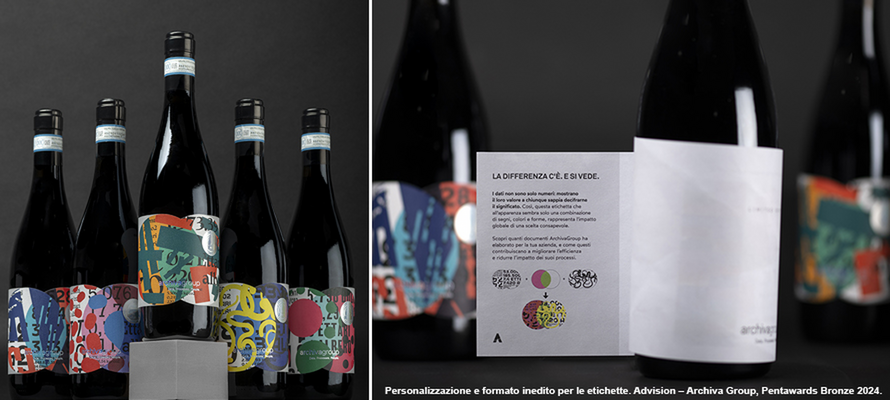
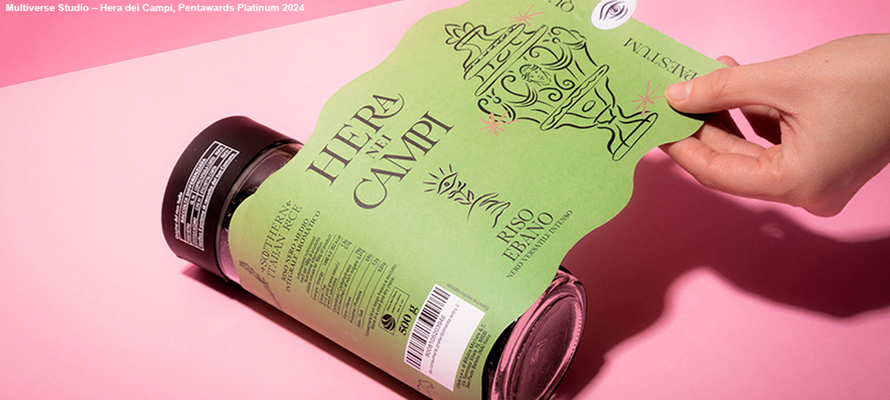
The most interesting solutions, particularly in the world of wine, which is so rigidly codified, involve the desire to transcend the classic label box. Thus, it’s not just daring die-cuts but also the overlapping of various papers and materials to enhance tactile and sensory relevance, experimenting with different textures, colours, and thicknesses. There is a tendency to ‘break’ the traditional frame, occupying unexpected spaces, moving beyond two-dimensionality, and often giving the label an artisanal appeal.
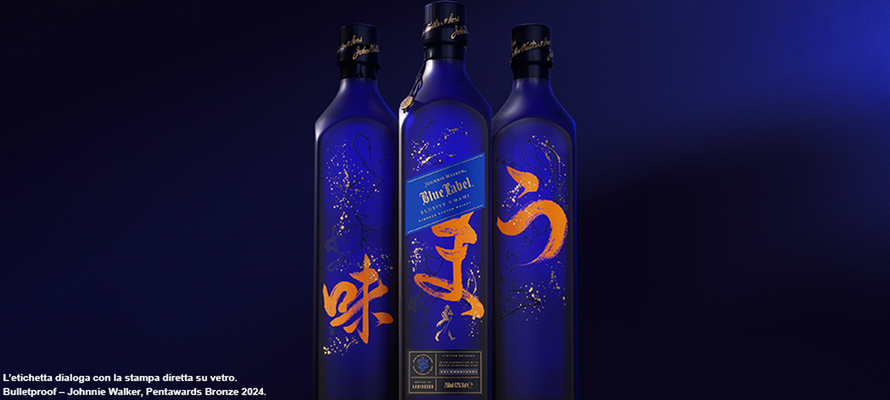
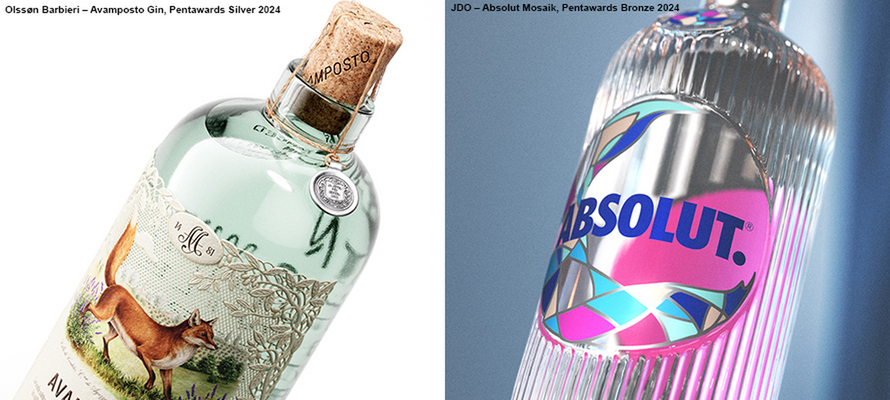
Another trend is the interaction between the label and the direct printing on the bottle glass, passing the eternal dilemma of which is better depending on the product and the need. The elements on glass are not limited to the classic personalisation of the bottle made in a mould, perhaps with the winery’s coat of arms for the most prestigious products, but they integrate and complete the design of the label with further elements of visual communication that exploit techniques such as screen printing, digital printing and finishing, playing with the transparency of the glass and the colour of the liquid.
Another big trend is the label applied to the aluminium can. Already established in the world of beer, wine, and cocktails, they are also claiming their space in this ready-to-serve format that suits new lifestyles: reduced consumption without the need to open an entire bottle and great practicality. Natural paper contrasting with the shine of the aluminium sets the products apart from soft drinks. Unusual creativity that extensively uses typography and illustrations builds the storytelling of products that stand out on the shelf. Screen printing and finishing elevate the packaging to the next level.
Advanced finishing and personalisation
Even the most established brands and the best-known visual identities cannot afford to rest on their laurels in a highly competitive market. Therefore, all the solutions that can add distinctive elements and value to the product, both in the printing and post-printing phases, represent a significant trend. In printing, the use of digital is widely accepted even for large print runs, customisations linked to specific campaigns and limited editions, creating different versions of the same product, and distinguishing between the references.
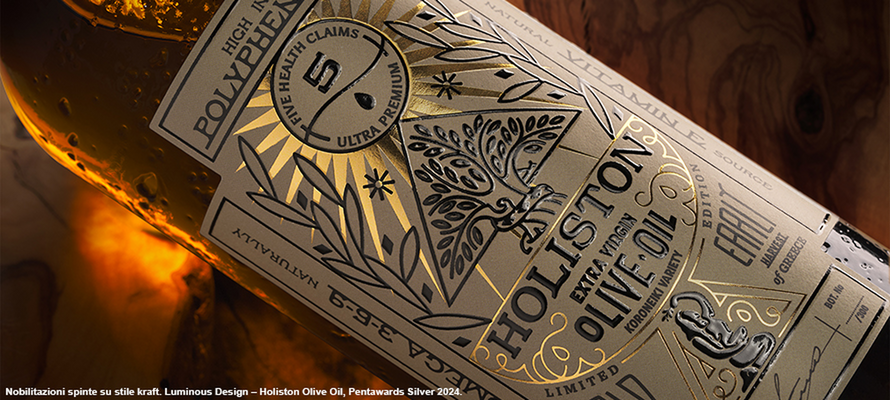
Enhancements, in addition, always play a fundamental role, especially in products that aim to make themselves known and position themselves at the top. Thick varnishes and metallic foils are used with balance but without excessive parsimony, in stark contrast to a pauperistic narrative that would have sustainability established through the subtraction of beauty. Material is added, but work is also done to modify the paper with bold die-cutting, particularly marked debossing and embossing effects, and perforations similar to embroidery. Another major design trend of the moment is a certain nostalgia for the golden age of cocktails, with an aesthetic worthy of the Great Gatsby, rich in Art Nouveau decorations embellished with hot stamping, and an iconography rich in colour and typefaces that take us back to Italy in the 1950s and 1960s. (MP)
Food
In the food sector, too, labels are evolving, with increasing attention to materials, finishes and printing techniques capable of enhancing the brand identity and the product’s perceived value. The search for authenticity pushes towards natural papers with material textures. Hot stamping and thick varnishes dominate the gourmet world, including extra virgin olive oil, preserves, speciality coffees and confectionery. Attention to sustainability drives the choice of water-based inks and recycled materials, often used in organic and plant-based products. Another growing trend is the no-label look, with transparent labels that give the illusion of being printed directly on the packaging, especially for honey and fruit juices where the product’s visibility is essential. Digital printing also enables increasingly advanced customisation, such as limited runs, versioning, and seasonal collections, without compromising quality and precision. A classic example is the use of details hot-stamped with metal foils on labels of artisanal panettone during the Christmas period or the creation of variable patterns for a special series of infusions, teas and coffees.
The opulence of oil and honey – showcase preserves
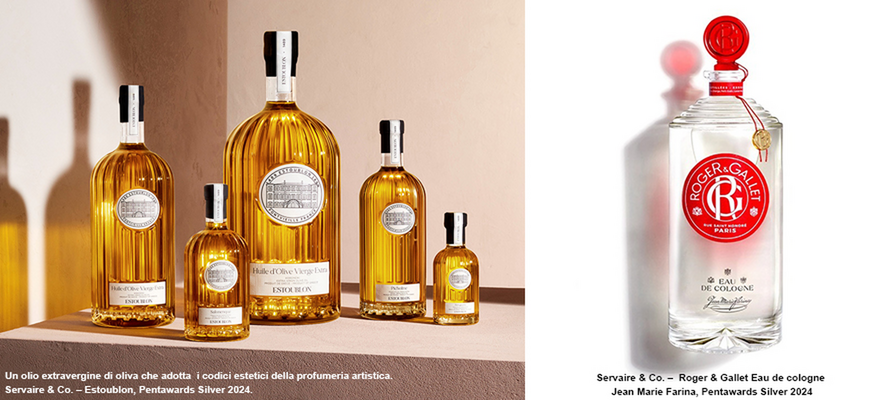
Oil and honey are product categories starting to boast numerous dedicated contests – such as EVOilàbel, Forme dell’Olio, and Mielabel, as well as the Vinitaly Design Award and Pentawards themselves – and are experiencing their golden moment in terms of packaging design. They are precious products with a high nutritional value and a clear artisan imprint, and they express the excellence of entire regions and culinary traditions that deserve to be promoted. Therefore, it is not surprising that research is orientated towards luxury, following its stylistic elements but seeking its original expression in an aesthetic capable of reinventing the communication of the agri-food world.
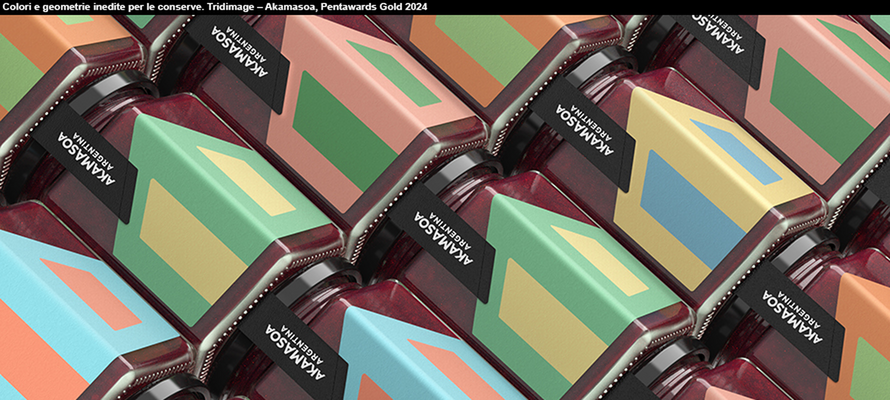
Even jams, marmalades, preserves in oil and other long-life food products seem to want to leave the handout and be placed in plain sight. Research focuses on colour and clear and distinctive characters, both for self-adhesive labels and for the paper and glue labels covering classic tins. Special enhancements and die-cutting do the rest. (MP)
Cosmetics and perfumes
In recent years, the cosmetics and perfumes sector has seen a significant evolution not only in products but also in packaging and labels, which today represent a perfect blend of aesthetics, functionality and sustainability.
Increasingly smart
One significant change is the introduction of smart or connected labels using QR codes, RFID, and NFC, enabling brands to offer a more immersive and personalised experience via a smartphone. A more functional use of these smart technologies involves thermochromatic inks, which change colour with temperature, signalling when a product has been exposed to excessive heat or when it reaches the ideal temperature for application. In addition, thanks to blockchain technologies, some companies guarantee the traceability and authenticity of the product, which is crucial in the luxury market.
Sophisticated textures, but with an eye on sustainability
The adoption of biodegradable, recycled, or compostable materials is becoming increasingly widespread: labels made of paper from algae, hemp, or bamboo fibres represent sustainable solutions that align well with the elegance inherent in the beauty market’s philosophy. Sensory effects, such as tactile reliefs and velvety or metallic textures, are increasingly sought after. In this sector, we are also witnessing the coexistence of direct printing on glass and the application of labels, especially in perfumery. One of the main innovations is the microencapsulation of fragrances, which enables the label to release the product’s scent upon contact. The emphasis on sustainability has also led to using natural and solvent-free inks, thereby reducing the chemical impact of printing. (CP)
Pharma
Unlike in the cosmetics sector, where labels must guarantee a strong aesthetic and interactive component, the pharmaceutical industry emphasises safety, regulation and traceability. Here, labels should guarantee regulatory compliance and immediate access to medical information, as they play a crucial role in patient safety, the fight against counterfeiting and product traceability. From 1 July 2023, the EU Omnibus Directive (no. 2019/2161), implemented in Italy with legislative decree 26/2023, has introduced significant changes to improve transparency towards consumers, establishing new rules for price communications and time-limited promotions. Pharmacies can greatly benefit from adopting CGM E-TAG electronic labels to comply with these new provisions.
Another key distinction concerns materials: while in the beauty sector, sustainability is an aspect strongly linked to brand image, in the pharmaceutical industry, materials should meet strict standards of resistance and conservation, protecting information even in critical environmental conditions.
Safer and more traceable
Using unique serialised codes has become a standard to guarantee the authenticity of drugs and combat counterfeiting. Here, too, the addition of RFID and NFC allows the product to be monitored throughout the entire supply chain. Roche has implemented RFID technology labels for real-time tracking of oncology drugs, while Sanofi has adopted a serialised coding system to reduce the risk of tampering. Digital labels have allowed patients to access detailed medication information through QR codes and mobile applications, simplifying the consultation of updated package inserts and improving adherence to therapies. GlaxoSmithKline has launched labels with dynamic QR codes linked to updatable databases, ensuring patients receive up-to-date information.
In the pharmaceutical sector, growing attention to environmental impact has spurred research into eco-friendly materials like bioplastics, recycled paper, and solvent-free inks. Bayer recently introduced biodegradable labels for some of its over-the-counter products, helping to reduce ecological impact while maintaining the legibility and durability of the information. (CP)
Home
Even in the home care sector, labels are no longer just a source of information; they are becoming intelligent tools. One example is Procter & Gamble’s Ariel brand. The company has adopted QR code labels to provide additional information on how to wash clothes and the environmental benefits of the formulas. Similarly, Clorox has developed a label for its cleaning products that offers consumers suggestions for optimal use through an AR app installed on their smartphones.
Rethinking the life cycle
With growing awareness of the environmental impact of packaging, companies are being pushed to rethink the entire life cycle of their products, including labels. Materials such as recycled paper, recycled PET and biopolymers are used to produce labels that not only comply with environmental regulations but also reflect the company’s commitment to sustainability.
A significant example in this field is Henkel, which has launched a series of eco-labels for its Bref brand of detergents, which are made from recycled material and designed to minimise the use of virgin plastic. In addition, Henkel has started to produce labels that can be easily separated from the packaging to facilitate recycling, such as pre-cut shrink sleeves.
An eye to customisation
The design of the labels has been rethought to be more easily legible and to present the information in a visually appealing but straightforward way. This includes using larger fonts, contrasting colours and the adoption of icons to facilitate the understanding of instructions for use or safety symbols. Customised labels are becoming more widespread thanks to new digital printing technologies. Companies can now produce labels tailored to the specific needs of consumers or for particular occasions. (CP)
Tech & Automotive
In the automotive sector, traceability is essential for supply management and ensuring the quality of vehicles and components. One example comes from Ford, which has integrated RFID tags into crucial components of its vehicles, reducing assembly time and improving the product’s final quality.
Ecological materials
The tech and automotive industries are also adopting more sustainable practices. HP has developed labels for its ink cartridges that use entirely recycled materials. Adopting eco-compatible printing with soy-based inks or other low environmental impact solutions is also gaining ground. In the automotive sector, Volkswagen is adopting labels that indicate the type of fuel or vehicle maintenance produced with recyclable or biodegradable materials.
Design optimised for functionality and durability
The automotive and tech sectors face a shared challenge: vehicles and devices must withstand harsh conditions, including impacts, dust and humidity exposure, vibrations, sudden temperature changes, and various atmospheric agents. Therefore, labels should be designed for long-lasting durability and to ensure the legibility of the information. This can be accomplished by using materials such as polypropylene and specially formulated plastics that resist extreme environmental conditions. In the automotive industry, labels for emission control or maintenance information are crafted from ultra-resistant materials like vinyl or anodised aluminium, which can endure daily wear and tear.
Compliance with regulations
In the automotive sector, labels serve a safety function by ensuring that vehicles comply with regulations and mandatory technical specifications, such as gas emissions and tyre pressure. In the IT sector, safety labels highlight warnings related to the safe handling of the product. (CP)