Innovation and Intimacy Enhance Publication Print
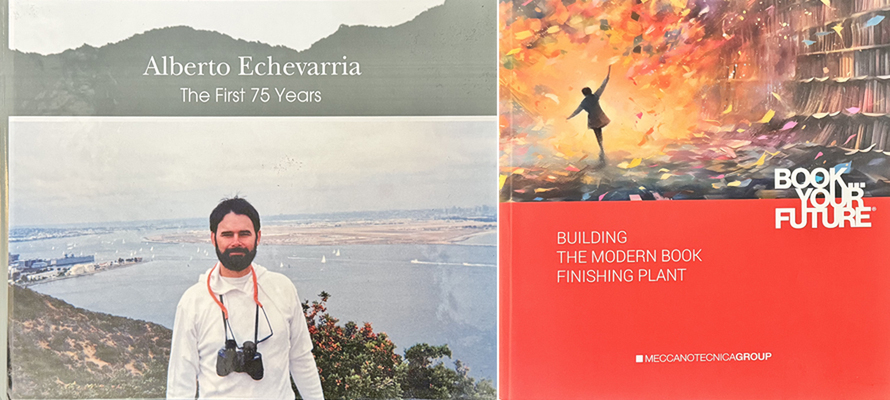
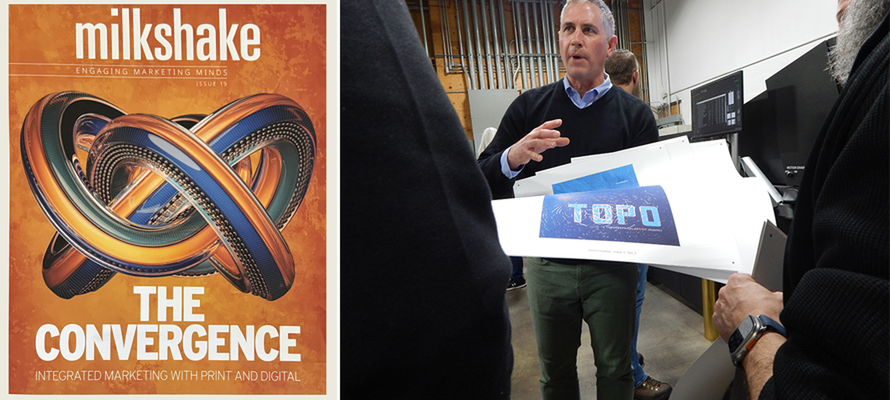
Isn’t there something magical about a book that fits perfectly in your hand, or a magazine whose pages beg to be turned slowly. Whether it’s a luxury brand catalogue printed on a whisper-thin textured paper, or a children’s book brought to life with bold inks and textured embellishments, the world of publishing continues to offer rich opportunities for printers willing to evolve with the needs of modern audiences.
By Pat McGrew, Print Industry Evangelist | On PRINTlovers 107
In this installment we look at the world of high-end, high-impact publishing. It’s a segment filled with legacy and craft, but also brimming with innovation opportunities for those ready to reimagine what a book, a catalogue, or a magazine can be in 2025. Using technology and imagination, every publication printer can spark new publishing conversations with their clients and create value in an age of personalization, embellishment, and short-run sophistication.
Books Beyond Content: The Tangible Promise of Print
Despite the pace of digital transformation, books and magazines have not only endured, they have become more precious. In the luxury market, printed materials remain the anchor of identity. Coffee table books celebrating family moments, great exhibitions, a brand’s history, or fine-art monographs documenting a design collection, are now essential elements in how high-end companies communicate heritage and prestige.
Publishing tradition carries centuries of artistic influence; print service providers have a unique opportunity to offer bespoke publishing solutions tailored to this refined market. The opportunity? Approach publishing not just as a process of reproducing words and images, but as a design-led collaboration. The paper, the type of binding, and the finishing embellishments all signal quality and intent.
Printers who proactively present examples, swatch books, and mock-ups of unique treatments, like soft-touch laminations, debossed covers, edge coloring and customization, and textured UV varnish are the ones winning long-term relationships with publishers and brand storytellers alike.
Corporate Publishing: The New Flagship Store
Corporate publishing is undergoing a renaissance. Brands now see their own catalogues and annual reports as curated expressions of their culture and purpose. Rather than dry, templated documents, many are investing in “statement pieces” by creating short-run publications that blend editorial sensibility with bold design and high-end production values.
Printers who offer consultative ideation as they work with clients from paper selection through to binding and embellishment are increasingly viewed as collaborators, not just vendors. This is especially true for catalogues in sectors like fashion, automotive, and interior design. Here, materials make the message: uncoated stock might signal authenticity; metallic foils might express opulence; die-cut windows might invite curiosity.
Add personalization, including digitally embedding the recipient’s name into the cover or welcome page, and now the catalogue becomes a powerful one-to-one communication tool. New AI-based tools are easy to embed into workflows to personalize embellishments and even create new graphic elements. With today’s inkjet and digital embellishment technologies, these premium touches are both affordable and scalable for even modest runs. And they can still meet sustainability requirements!
The Power of Short-Run for Children’s and Specialty Publishing
Let’s not forget one of the most delightful publishing markets: children’s books. Long considered the domain of offset for its color fidelity and run lengths, children’s publishing is now open to digital production thanks to improvements in print quality, substrates, and finishing.
Imagine offering short-run or even single-copy options for boutique authors and independent publishers. It’s not just about quantity; it’s about agility. A children’s book prototype can be printed digitally, embellished with textures (raised UV for raindrops or animal fur!), and presented to publishers or buyers quickly—reducing time-to-market.
Printers who can combine short-run capability with creative enhancements—like lay-flat binding, board book formats, or interactive inserts—are positioned to thrive in this niche.
This same agility extends to educational and instructional publishing, where frequent updates to curriculum materials make long print runs risky. Italian printers supporting these markets can now offer just-in-time production with exceptional quality and creative flourishes.
Personalization: From Mass Market to Mass Intimacy
Personalization isn’t new, but its role in publishing is evolving. It’s no longer just about adding a name to the cover, but about reshaping the experience of reading. Consider a travel book personalized with a family’s itinerary, or a brand book for a luxury customer that includes their purchase history and name-engraved cover. Thanks to modern workflow tools, these hyper-personalized experiences are now possible, even for run lengths of one.
In markets where artisanship is prized, personalization is a natural extension of bespoke tradition. Printers who understand how to bring together variable data, smart automation, and embellishment technologies will unlock new revenue streams by helping publishers and brands create print pieces with soul. And yes, personalization scales! From high-touch art editions to customized onboarding kits for corporate teams, the ability to mix mass production with individual nuance is a game-changer.
Finishing: Where Emotion Meets Technology
A book or magazine isn’t finished until it’s finished—with binding, coating, cutting, or embellishment that makes it memorable. Print buyers in publishing are increasingly looking for sensory impact. Cold foil, digital metallics, spot UV, textured varnish, and sculptured embossing are no longer relegated to packaging because they are just as relevant for editorial and publishing print.
Digital finishing devices from vendors like Scodix, Kurz, Duplo, MGI, Harris & Bruno, and others now allow even small to mid-size printers to offer premium finishes in-line or near-line, without the need for dies or plates. That means faster turnaround, lower waste, and more experimentation.
Because design and print intersect so naturally, embracing digital finishing is the next frontier for many printers who want to offer emotional value, not just output.
Applications Ideas: Your Publishing Innovation Toolkit
If you are a printer working with—or hoping to attract—publishing clients, here are a few application ideas to propose:
- Personalized brand books for fashion houses or design studios
- Short-run art books with variable content for gallery shows or exhibitions
- Interactive children’s books with textured finishes and pop-out pages
- Sustainably printed corporate ESG reports on recycled or stone paper with minimal ink coverage
- Luxury catalogues printed with tactile coatings and debossed logos for direct-mail campaigns
- Subscription-based photo magazines printed on demand with user-generated content
Publish Boldly, Print Creatively
In publishing, print is no longer just the medium, it’s part of the message. It tells your client’s audience that their story matters. It invites touch, emotion, and memory.
As printers, our job is to help our clients dream bigger. Offer mock-ups. Propose unusual combinations of substrate and finish. Bring ideas, not just quotes.
For printers who embrace this ethos, publishing is not a fixed process, but as a canvas. They don’t just wait for files, they co-create. And, their customers love them for it.
So, unpack your best ideas. Sharpen your samples. And invite your next publishing client into a conversation about what’s possible. In publishing, print is power—and you hold the keys.
28/11/2025


