The technological revolution in packaging
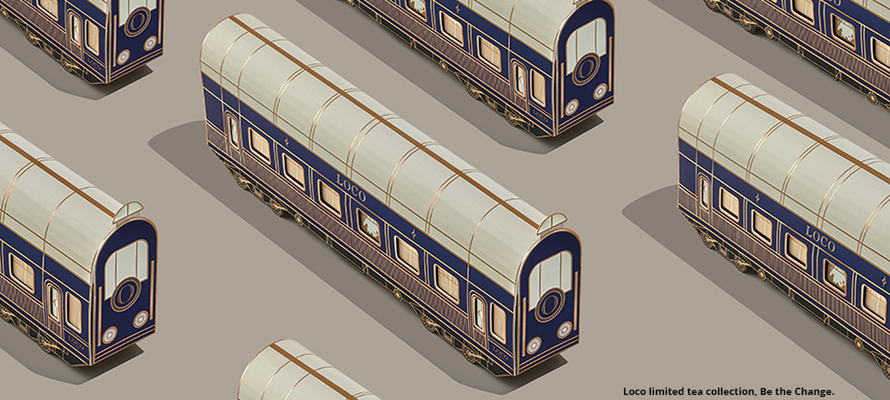
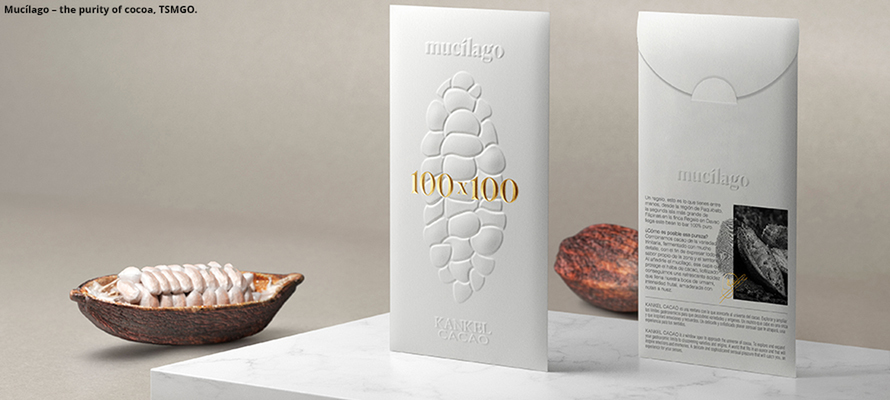
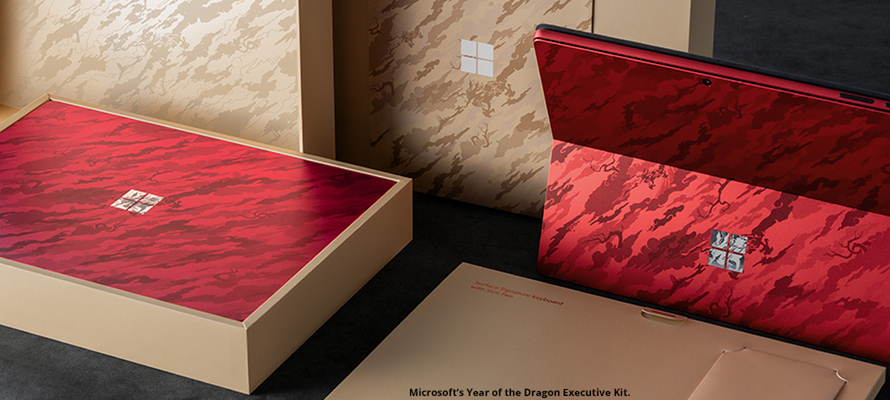
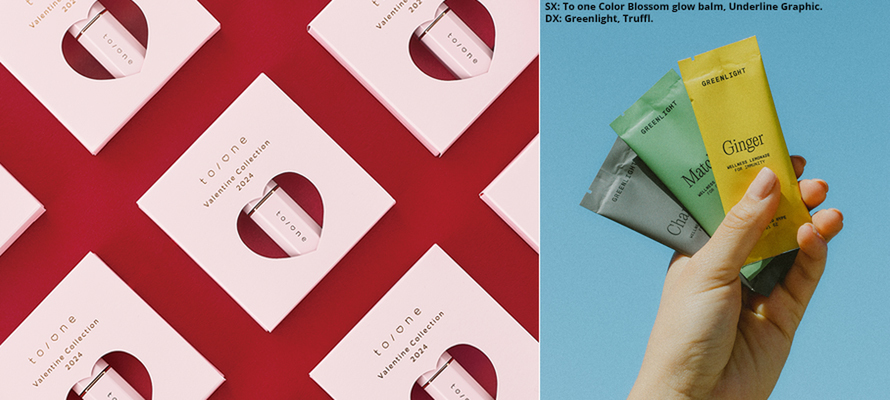
From the evolution of industrial digital printing to all-in-one lines, via increasingly advanced workflow management software: the new frontiers of packaging production.
By Alexia Rizzi | in PRINTlovers 106
As we saw in the previous issue for labels, the same is true in packaging: an extremely competitive environment and an increasingly fluid market make it necessary for printing and converting service providers to equip themselves with faster and more flexible production lines in terms of substrate compatibility, thus offering a wider range of applications. This trend is pushing technology suppliers, on the one hand, to develop solutions that offer maximum efficiency, automation and integration; and, on the other, the entire supply chain towards the adoption of technologies that go beyond conventional printing.
This premise would be the perfect springboard for describing the progress made in updating individual printing technologies, starting with inkjet, which is the one that has seen the greatest developments in the industrial field. But ElectroInk-based and toner-based production systems have also seen significant improvements. However, drupa 2024, the world’s leading trade fair for printing technology, highlighted that the most visible transformation is the growing spread of hybrid systems and all-in-one lines. These solutions integrate printing, finishing, workflow software and laser systems in an increasingly seamless and automated way, taking advantage of the state of the art in all technologies.
Hybrid solutions and all-in-one systems
The hybridisation of production lines is certainly nothing new, but today, thanks also to more advanced workflow management software and the need to produce ever more efficiently and quickly, it is emerging as a cross-cutting trend in the production of packaging and labels. Hybrid systems, offered by various technology players, integrate digital printing modules with conventional units (offset, flexo, coating, lamination, embellishment) in a single modular platform that can be customised according to the needs of the printing and converting service provider and often even those of the end customer. In packaging on solid board and flexible materials, hybrid systems make it possible to combine the quality and productivity of conventional printing with the personalisation and dynamic management of digital printing, ensuring aesthetic consistency and industrial-level performance. Added to this is the value of premium embellishments and finishes (coatings, foils, raised effects) directly in line, without additional steps.
Alongside this production flexibility, we are seeing a move towards systems that are increasingly integrated and automated. In this context, all-in-one solutions have established themselves as one of the most significant trends to emerge at drupa 2024, offering a concrete response to the growing demand for efficiency, flexibility and quality. These platforms make it possible to combine several production processes in a single solution: printing, coating, laminating, die-cutting and even quality inspection. This level of integration drastically reduces set-up times, eliminates intermediate manual steps and improves the quality of the final result. There are, for example, systems designed for the production of flexible packaging that combine flexography and digital modules managed by artificial intelligence algorithms, as well as modular hybrid printing lines designed for folding carton production, integrating various printing technologies, including flexo, screen and digital, and enabling a high degree of flexibility in packaging production.
In particular, when the line is set up as “full digital”, the result is faster and more sustainable production. Emblematic examples include solutions that integrate digital printing and inline finishing for solid board, and platforms that offer digital printing, coating, die-cutting and quality control in a single line. These architectures are ideal for short and medium runs, ensuring high quality and fast turnaround times and are often driven by software that digitises and automates workflows, creating connected ecosystems from design through to production.
Focusing on corrugated board packaging, there are single-pass inkjet systems on the market that show how it is possible to achieve photographic quality and industrial productivity on corrugated board in a single process. For corrugated board, these solutions also enable the handling of heavy substrates and large formats, with the possibility of switching from a plain box to a branded one in a matter of minutes.
In the field of flexible materials, pouches, bags and barrier films ready for use are printed and converted directly. There are interesting examples of lines referred to as Digital Pouch Factories, based on the collaboration of OEM partners who, by placing a latest-generation print engine at the centre, build an entire ecosystem around the machine: in these lines, the printed material passes through a thermal laminator and then to a pouch-making machine, with additional digital decorations created via a digital printing bar.
When it comes to finishing, the latest-generation laser solutions also deserve a mention. They are gaining significant application flexibility thanks to lower costs and full automation. Some players offer systems capable of performing high-precision laser cutting on solid board, corrugated board and flexible materials, micro-perforations, windows, decorative effects and unique personalisations, which, in combination with inline digital printing, enable fully automated production.
Finally, robotics and automated handling systems integrated within these solutions make it possible to work without interruption, increasing the autonomy of the plants. Supervision via artificial intelligence allows continuous optimisation of printing and finishing parameters, intervening in real time to correct anomalies or improve production efficiency.
All-in-one solutions are not just a technological choice: they represent a paradigm shift for the entire packaging sector, opening up new opportunities for mass customisation, just-in-time production and improved sustainability of processes.
The strategic role of workflow software
A cross-cutting and increasingly central element is represented by workflow software: management platforms that automate and optimise every stage of production, from the print file to the final packaging. Several software suppliers are developing solutions that enable automated job management and integration with corporate ERP/MES systems, as well as monitoring productivity, consumption, KPIs and even predictive maintenance. These tools are increasingly advanced yet just as intuitive for the user, enabling “smart” management in which every piece of data is collected, analysed and shared in real time, improving production efficiency and reducing errors and waste.
Looking more closely, advanced colour management, pre-press automation, online proofing and approval are at the heart of innovation. Today’s workflow solutions, increasingly offered in SaaS form using the cloud, automate pre-press tasks by predicting errors and optimising processes. The available platforms are constantly being updated and enhanced with algorithms capable of automatically analysing graphic files, flagging critical issues and suggesting corrections, drastically reducing approval times. Virtual prototyping in VR makes it possible to test packaging in realistic simulated environments, cutting the time and costs associated with physical samples.
At drupa 2024 we saw demonstrations of prototype automatic layout systems designed to maximise material usage and minimise waste in production processes. These solutions also integrate real-time suggestions generated by artificial intelligence, showing how this technology is finally able to concretely optimise printing processes.
27/08/2025


